Cambridge is a city where ideas have always mattered. This Women’s History Month, discover the women whose work helped define this community and explore the places where their stories can still be experienced today.
Begin near Central Square where Margaret Fuller was born in 1810. Fuller became one of the most influential thinkers of the 19th century and authored “Woman in the Nineteenth Century,” a foundational text in early feminist thought. Her birthplace at 71 Cherry Street is now home to the Margaret Fuller House, a community organization that continues to serve residents. A walk through the area offers a glimpse into the neighborhood that shaped her early intellectual life. Visitors can explore the area on foot or join a guided history tour to learn more about the Transcendentalist movement and Cambridge’s reformist roots.
Cambridge’s scientific legacy is equally powerful. Take a quick walk or bus ride, then hop on the Red Line to Kendall Square for a visit to the MIT Museum. At the MIT Museum, visitors can connect with the pioneering work of Ellen Swallow Richards, the first woman admitted to MIT in 1870 and a leader in chemistry and environmental science. Her research helped establish the foundations of public health and sustainability. The museum’s interactive exhibits celebrate innovation and discovery, making it a natural stop for curious visitors. After exploring the museum, enjoy a variety of restaurants in The Most Innovative Square Mile on the Planet.
From there, head toward Harvard Square, where generations of women pursued education and advanced new ideas. Ruth Bader Ginsburg studied at Harvard Law School in the 1950s as one of only nine women in her class. Her experience in Cambridge shaped her lifelong commitment to gender equality under the law. Today, visitors can take a Harvard University campus tour and walk through Harvard Yard, gaining insight into the academic setting that helped form one of the nation’s most influential Supreme Court justices. Nearby, Radcliffe Yard stands as a reminder of the expanding opportunities for women in higher education.
A short walk from Harvard Square brings you to the Harvard College Observatory, where astronomer Cecilia Payne-Gaposchkin transformed our understanding of the universe. In 1925, her doctoral research demonstrated that stars are composed primarily of hydrogen and helium, a discovery that reshaped astrophysics. She later became the first woman promoted to full professor at Harvard. Visitors exploring Harvard’s campus can learn about this groundbreaking research and the Observatory’s role in advancing modern science.
To continue the story, take a scenic walk or short bus ride to visit the Mount Auburn Cemetery, a National Historic Landmark that spans Cambridge. Known for its scenic paths, gardens, and sweeping views, Mount Auburn is the final resting place of several women connected to Cambridge’s intellectual life, including Fanny Appleton Longfellow, resident of Longfellow House-Washington’s Headquarters, and Cecilia Payne-Gaposchkin. Guided tours offer historical insight while inviting visitors to experience one of the region’s most beautiful landscapes.
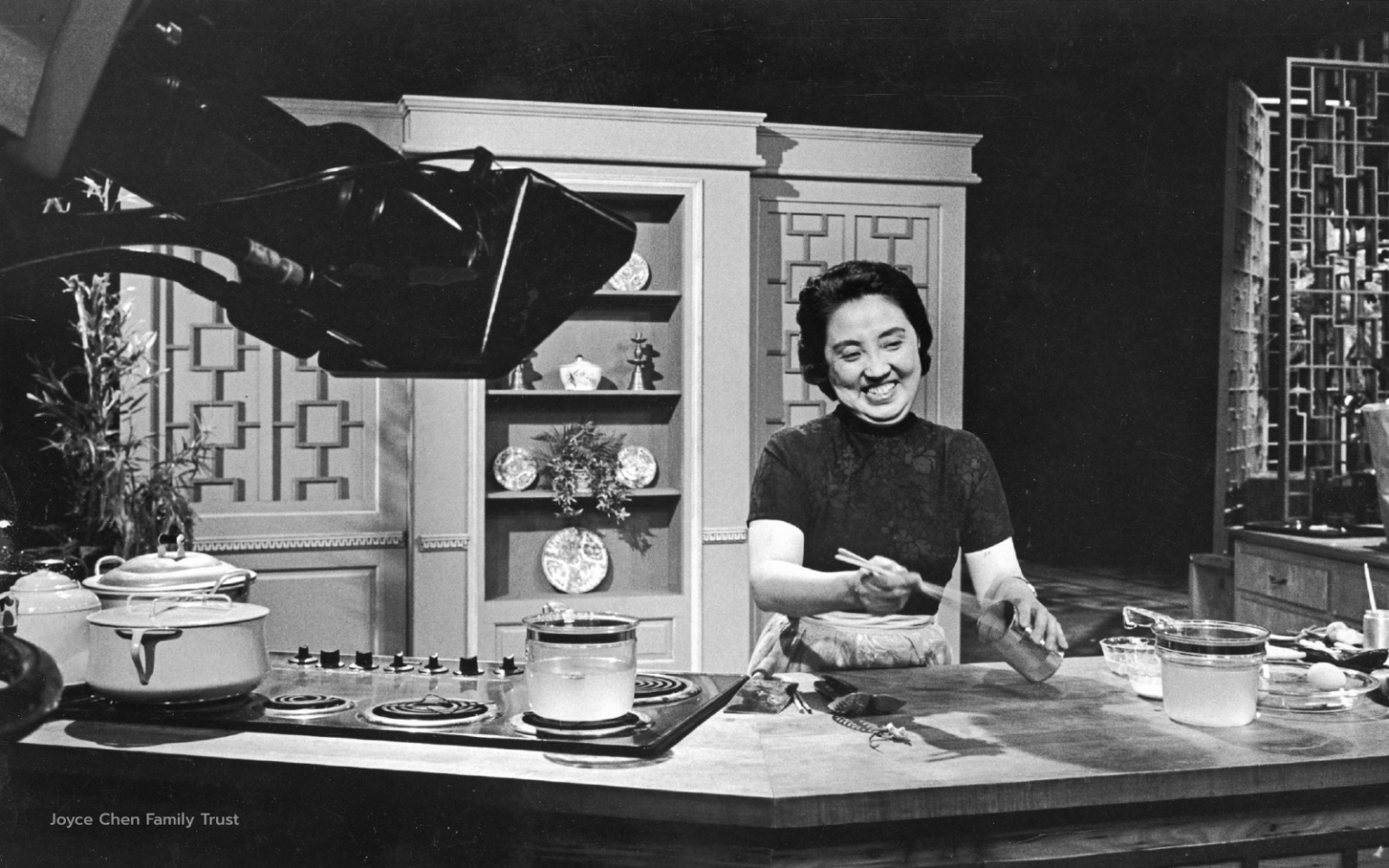
Cambridge’s cultural impact also reaches into the culinary world. Julia Child, who moved to Cambridge in 1961 with her husband Paul, developed recipes and filmed television programs from her Cambridge home. While her kitchen is now preserved at the Smithsonian National Museum of American History, her connection to the city remains strong. Around the same time, restaurateur Joyce Chen was introducing Northern Chinese cuisine to American diners from her restaurants in Cambridge and the greater Boston area, helping broaden the city’s culinary landscape and earning national recognition for her influence. Together, these women expanded how Americans experienced food, each in her own way. Visitors can celebrate their legacies by experiencing Cambridge’s vibrant food scene firsthand.
This Women’s History Month, experience Cambridge through the lives of the women who shaped it. Walk historic neighborhoods, tour world-renowned campuses, visit engaging museums, and enjoy memorable meals along the way. Each stop tells part of a larger story, one that continues to evolve in a city known for ideas, creativity, and community.