

Homo sapiens Meets Neanderthals: The End of a World
March 25 @ 6:00 pm - 7:00 pm
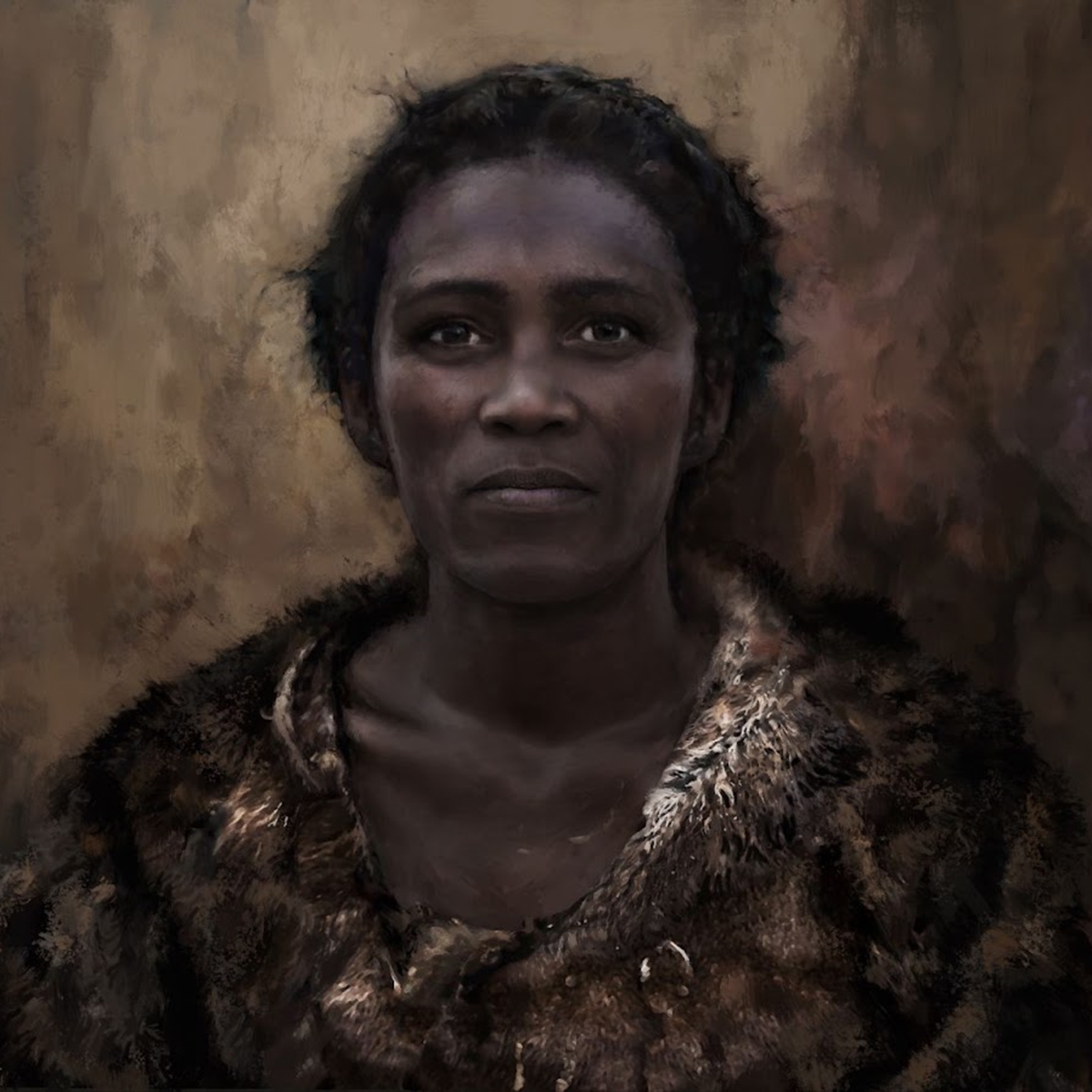
The arrival of Homo sapiens in the mid-latitudes of Eurasia 48,000 to 45,000 years ago and the disappearance of the Neanderthals some millennia later mark one of the most pivotal episodes in human evolution. Drawing on cutting-edge work in archaeology, paleogenetics, and palaeoproteomics, Jean-Jacques Hublin’s lecture will illustrate how this process was neither sudden nor uniform. In Western Europe, early modern humans entered the Neanderthal world far earlier than once believed, at times encountering and interbreeding with local populations. Instead of a simple geographic expansion, the evidence points to a complex mosaic of migrations, contacts, and extinctions. This led to a gradual reconfiguration of human populations from a world shared by multiple human forms to one inhabited by a single surviving lineage.
Presented by the Peabody Museum of Archaeology & Ethnology, the Harvard Museums of Science & Culture, the Harvard Department of Human Evolutionary Biology, Harvard Department of Anthropology, and the American School of Prehistoric Research, Harvard University.
Image: The Zlatý kůň woman, modern pioneer in Europe, © Tom Björklund for Max Planck Institute for Evolutionary Anthropology